



One of the most common things I hear from people is this:
“I know I need to do something with my photos… I just haven’t gotten to it yet.”
And honestly, that makes perfect sense.
Life is expensive right now. Prices seem to rise faster than paychecks, and most of us are making constant decisions about where our time, energy, and money should go. We pay more for groceries, gas, utilities, and even simple nights out because those things are part of everyday life. We accept the cost because the need feels immediate.
But memory preservation is different.
The value is deeply emotional, while the urgency often feels invisible — until something happens.
Why So Many People Delay Organizing Photos
Ask someone to list the belongings they would save first in an evacuation, and photos, videos, and family keepsakes almost always rise to the top. These collections hold the stories of our lives: the people we love, the moments we never want to forget, the history future generations will never get back once it’s gone.
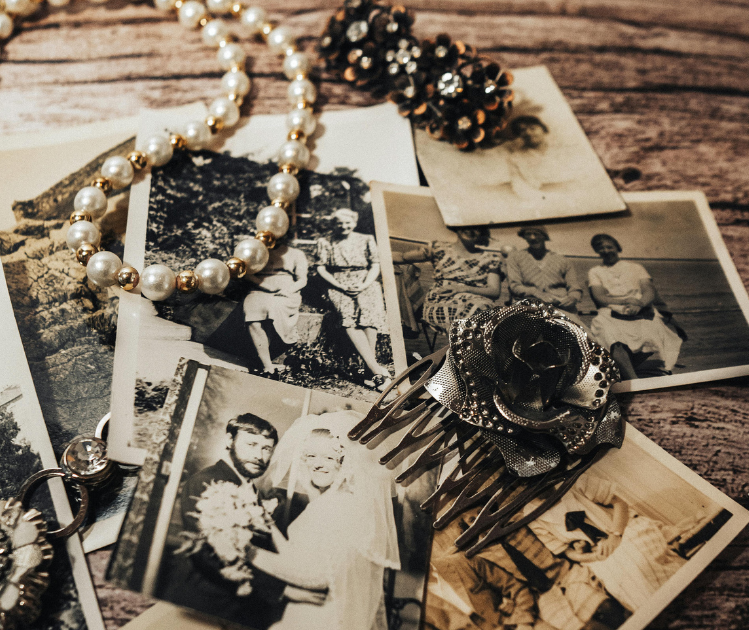
And yet, these treasured collections are often tucked away in closets, stored in aging albums, packed into bins, or scattered across phones, cloud accounts, CDs, DVDs, old computers, and external hard drives.
Not because people don’t care.
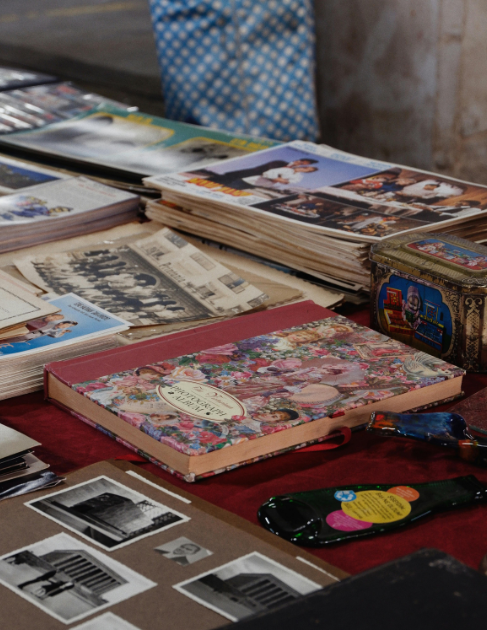
Usually, it’s because the project feels overwhelming.
The Emotional Weight of Memory Projects
There’s the emotional side of sorting through decades of memories. The time required to organize everything. Uncertainty about technology, storage, backup systems, scanning, digitization, and preservation. And for many people, there’s the quiet fear of making mistakes with items that cannot be replaced.
So the project gets postponed for “someday” — that future season of life when there will somehow be more time, more space, more energy, and fewer distractions.
But unfortunately, photos and media don’t always wait patiently for us.
Why Photo Preservation Matters
Printed photographs fade and deteriorate. VHS tapes, DVDs, slides, negatives, and aging hard drives become increasingly fragile. Digital files become scattered, duplicated, corrupted, or inaccessible as technology changes.
That’s why professional photo organizing and preservation services exist.
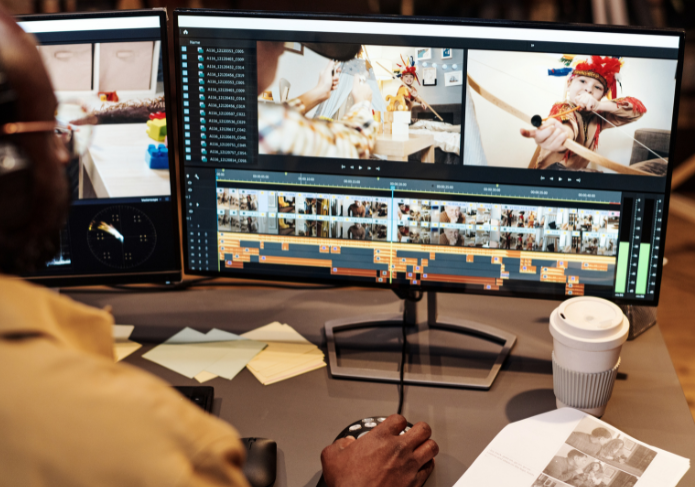
Not because people are incapable of doing it themselves, but because these projects are often emotionally heavy, technically confusing, time-consuming, and difficult to begin alone.
A professional photo manager isn’t simply sorting pictures into boxes or folders. They are helping preserve irreplaceable family history, protecting memories from loss, creating systems that families can actually maintain, and helping people reconnect with stories that matter deeply to them.
When viewed through that lens, the conversation shifts away from “What does this cost?” and toward “What is this worth to me — and what would it mean to lose it?”

For many families, the answer is: more than they realized.
Small Steps Make a Big Difference
The good news is that memory preservation does not have to happen all at once. Even small steps — organizing one box, scanning a small collection, backing up digital photos properly, labeling names and dates, or creating a simple system for future photos — can make an enormous difference over time.

Because preserving your memories is not really about organizing things.

It’s about protecting the people, stories, and moments that make up your life.