

Lifetime of Photos Looks Very Different Today
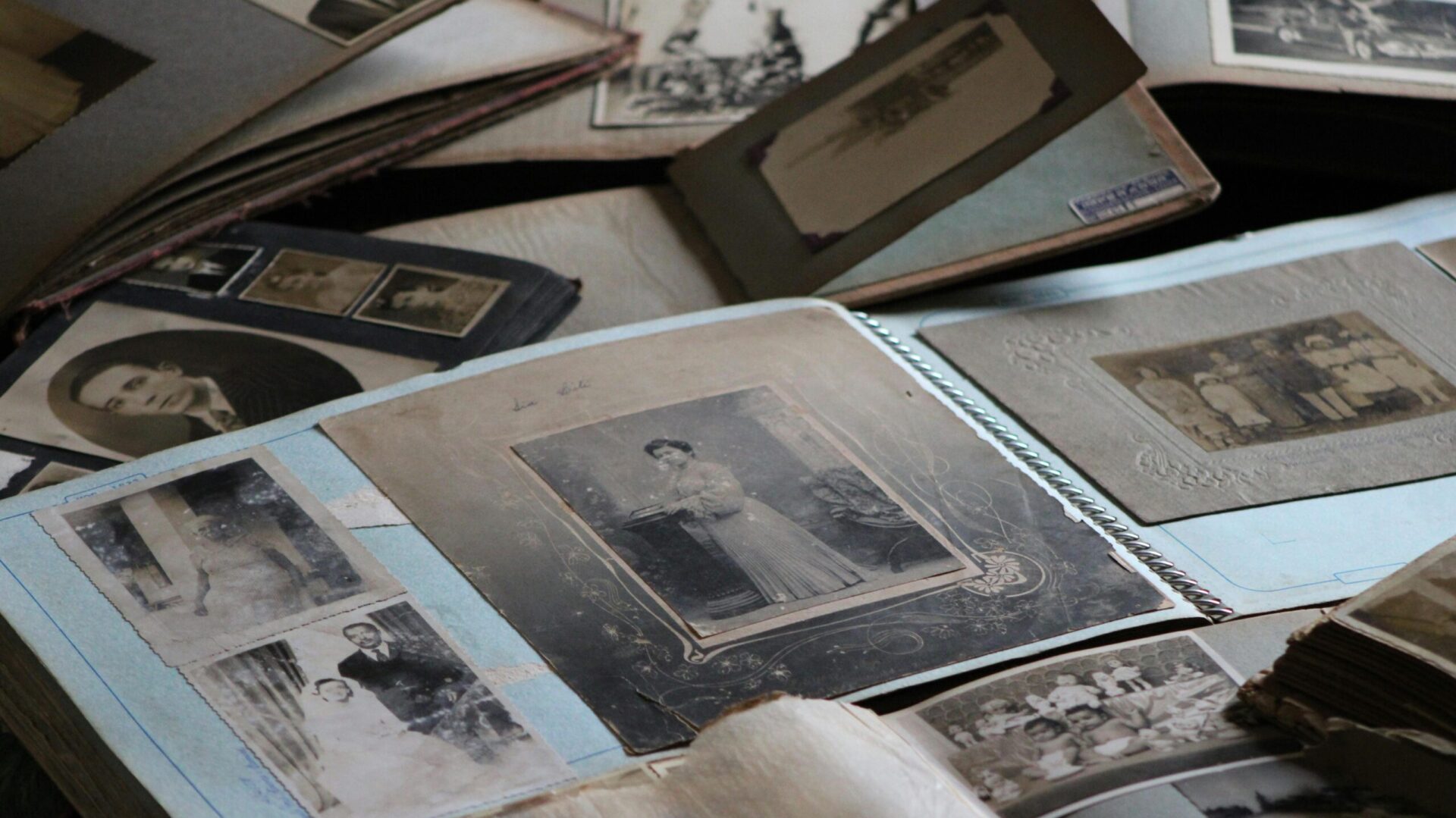
Fifty years ago, most families had a few photo albums, a shoebox of snapshots, and maybe a handful of slides or home movies.
One hundred years ago, photographs were rare, formal, and expensive—often limited to portraits and special occasions.
Today, the average person carries thousands of photos in their pocket.
We are living in the greatest photo explosion in human history, and the collections we leave behind will shape how future generations remember us.

How Many Photos Do We Take Today?
- Around 2.1 trillion photos are taken worldwide each year
- Over 5 billion photos are taken every day
- The average American takes about 20 photos per day
- Smartphones now account for over 90% of all photos taken
In contrast, 50 years ago people were limited by film, cost, and processing time. Each roll of film had 24 or 36 exposures, and every photo required intention and money.
That limitation naturally created curation.
Today, we capture everything—and delete almost nothing.

What This Means for the Next Generation
Think about this for a moment.
Your grandparents may have left behind:
- 5 photo albums
- 1 box of photos
- A few slides or reels of film
You may leave behind:
- 50,000 digital photos
- 10,000 phone images
- printed photos
- inherited albums
- inherited slides
- inherited VHS, DVDs, and memorabilia
And your children?
They may inherit multiple lifetimes of images—not just yours, but your parents’ and grandparents’ collections too.
Experts predict the number of photos taken globally will continue to grow each year as smartphones become more advanced and storage becomes easier and cheaper.
This creates a new and very real problem:
Too many photos can make memories feel overwhelming instead of meaningful.
When everything is saved, nothing feels special.
The Risk of Leaving an Overwhelming Collection
Most families don’t want to throw away memories.
But they also don’t want to inherit:
- boxes they don’t understand
- thousands of unnamed digital files
- duplicate photos
- unidentified people
- outdated media they can’t view
- massive collections they feel guilty sorting
Instead of becoming a treasured legacy, a photo collection can become a burden.
And that’s not the intention of the person who saved it.
The goal is always the same:
to preserve memories and pass down stories.

A Better Approach: Curate as You Go
The best way to create a meaningful photo legacy is to build a simple habit of culling and organizing over time.
Not once in a lifetime.
Not when you are overwhelmed.
But regularly.
The 4-Step Habit for a Manageable Photo Collection
1. Capture Freely
Take photos of everyday life, celebrations, and meaningful moments.
Photos are how we document our stories.
Capture what matters.
2. Cull Regularly
Set a monthly or quarterly habit to:
- delete duplicates
- remove blurry images
- remove screenshots and accidental photos
- keep only the best versions
Think of this as pruning a garden.
You are helping the best memories grow.
3. Curate Intentionally
Ask yourself:
- Would my children want to see this?
- Does this photo tell a story?
- Does this represent a moment in our lives?
If the answer is yes, keep it.
If not, let it go.
A meaningful collection is not the biggest collection.
It’s the most intentional one.

4. Create a Legacy Collection
Choose your best photos and turn them into something that can be enjoyed:
- photo albums
- memory books
- printed collections
- labeled digital folders
- family history collections
This transforms photos from files into stories.
And stories are what people treasure.

What Makes a Collection Valuable to Future Generations
Future generations don’t want everything.
They want meaning.
A valuable photo collection includes:
- labeled people and places
- dates and events
- stories and context
- highlights of life
- family milestones
- everyday moments that show personality and connection
The true value of a photo collection is not the quantity.
It’s the connection it creates.

The Goal: Leave a Gift, Not a Burden
Every photo we keep is a decision about what we want remembered.
When we take the time to organize, label, and curate our images, we are doing something powerful:
We are making it easier for future generations to know us.
To see our lives.
To understand our stories.
To feel connected to their history.
A thoughtfully curated photo collection becomes more than a storage system.
It becomes a legacy.
And the best legacies are not the biggest ones.
They are the ones that are easy to open, easy to understand, and filled with meaning.

Ready to Create a Photo Collection Your Family Will Treasure?
If you feel overwhelmed by printed photos, digital images, or inherited collections, you don’t have to do it alone.
At Ducks in a Row Photo Solutions, I help families organize, curate, and preserve their photo collections so they become meaningful legacies instead of overwhelming boxes and folders.
Schedule a consultation today and take the first step toward a manageable, meaningful photo collection.